Wednesday, June 24, 2020

Cli-Fi and Human Approaches to Ecology


Some contemporary monstrous cli-fi films embrace human approaches to ecology. The human ecology movement grew out of the work of Ellen Swallow Richards, who translated Haeckel’s work from its original German and, according to Robert Clarke, introduced the concept of ecology in the United States. Richards, an MIT chemist, defined human ecology as "the study of the surroundings of human beings and the effects they produce on the lives of men" (1910). Since she viewed humans as part of nature, she considered urban problems like air and water pollution as products of human activity imposed on the environment and, subsequently, best resolved by humans.
 
 
Although they also highlight a masculine action hero, both The Road (2009) and The Book of Eli stress recovery from Anthropocene apocalypses and the cannibalism at first associated with survival. Directed by Darren Aronofsky, Noah (2014) continues the human focus found in films such as No Blade of Grass. In this rewriting of the Biblical Genesis story, Noah (Russell Crowe) gains the trust of God and his “Watchers” by contesting the environmental disasters caused by Tubal-cain (Ray Winstone), a descendent of Cain. According to the film’s opening, Cain and his offspring “build a great industrial civilization” that “devoured the world.” Instead of exploiting the earth’s resources, Noah teaches his family to live sustainably, protecting nature as a steward rather than a figurative rapist. As a descendent of Seth, he “defend[s] and protect[s] what is left of creation,” according to the opening narration.
 
But Noah also serves as a super-masculine action hero protecting his family and the Earth at any cost. In this reboot of the Biblical story, Noah decisively revises God’s plan to rebuild all life, including humans, by eliminating wives and children from the Ark. In this version, Noah believes that because “everything that was beautiful, everything that was good we shattered, mankind must end.” After the flood ends, Noah tells his family, when his adopted infertile daughter Ila (Emma Watson) and the last of his sons Japheth (Leo McHugh Carroll) die, so will humanity. In Noah’s mind, humans will only repeat their mistakes and destroy creation if given the chance.
Instead, Noah’s grandfather Methuselah (Anthony Hopkins) has miraculously restored Ila’s fertility. When she gives birth to twins girls, Noah cannot kill his granddaughters, so human ecology prevails. In Noah as in the Bible, however, it is a higher power that intervenes to cleanse the world and provide the space for a new beginning after the great flood. As the narrator explains, Noah and his family must “be fruitful and multiply and replenish the Earth.” Most of humanity is destroyed, but the remaining extended family serves as a curious genesis for the rise of human populations around the world.

What Means Home, Part I


So many times I've written about ecology, literally the study of homes, emphasizing the influences of the local on all life--not just humans and animals, but plants and single-celled creatures. Only in poetry, though, do I insert my own localized experiences, mostly because my own view of home grows out of multiple locations. 

When folks ask about my hometown, I usually say something general and superficial like "I lived all over the place." But really I suspect those folks are asking something beyond, "Where do you live?" since a home means more than that (at least I think so and even argue that about our "sense of place" in my research). 

So what means home to me? Even though most of us haven't lived there since 1968, my family thinks of West Virginia as home, so much so that my Stepdad bought subscriptions of West Virginia Magazine for all of us. And I certainly write about West Virginia in poems looking at my father's first church and the accidents I had there--falling off stages, running into bricks, meeting a motorcycle at a street corner. 

But when I think about WV, it seems more like a box of memories than a home. The house we lived in there feels cold and hard in my mind, with cracked wood floors, a sagging mattress shared with an older sister, and tight walls that seemed to block out the sun. If the tiny WV town had been my home, I think, how could I have grown?

Thursday, June 11, 2020

Dolly Dog and the Snake

Yesterday

A black lab
lay down
in the center 
of tall grass
waiting
watching
twitching

not for 
that chipmunk
eating 
suet
strawberries
potatoes
seedlings

but for 
a black snake
shining
scales
coiled 
head erect
to move

Both 
silent and still
they cross 
species 
class
with muscles 
poised

while 

all of us

gaze

Friday, June 5, 2020

Words from a Tiny Journal

Trouble

Now that's a word, a plea to make trouble, to save the planet
A board game with funny cone pieces
a cannibal movie with a Colonial source and cause
Getting in trouble for all those food sins
Corners of pie crust
brownies
graduation cake
Finger fulls of sugar from the bowl.


Props

Honestly
I can't remember 
when I last had props
under me
support for work or play

One of my favorite professors
called me too self-sufficient
to marry
and maybe he got it right

All I know is that today
and every day
I'll clean, cook, walk, work, play
prop-free.

Saddle

Getting up and doing
is my saddle.
I don't ride a horse but do ride a bike
and look forward to hours of riding
without care or work.

Dolly dog keeps me sane
but also keeps me off my bike

Dogs keep you walking
Bikes keep you smiling.

Word

Yes

I want to have a word
write a word
give my word
work in MS Word
Or something like that.

The word on the street
is that someone
didn't keep their word

What does Word Up really mean?

Do we always have to have words?

Are there really words of the wiser?

Was the Word God?

Monday, May 25, 2020

Stories


I have stories
live stories
but can't tell stories

Instead
I compare
associate
moving from one image
to another

List journal entries
workout
email
dog walks

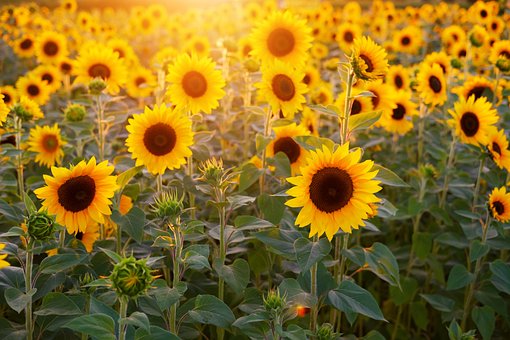
sunflowers

fireworks

gap-toothed 

smiles.


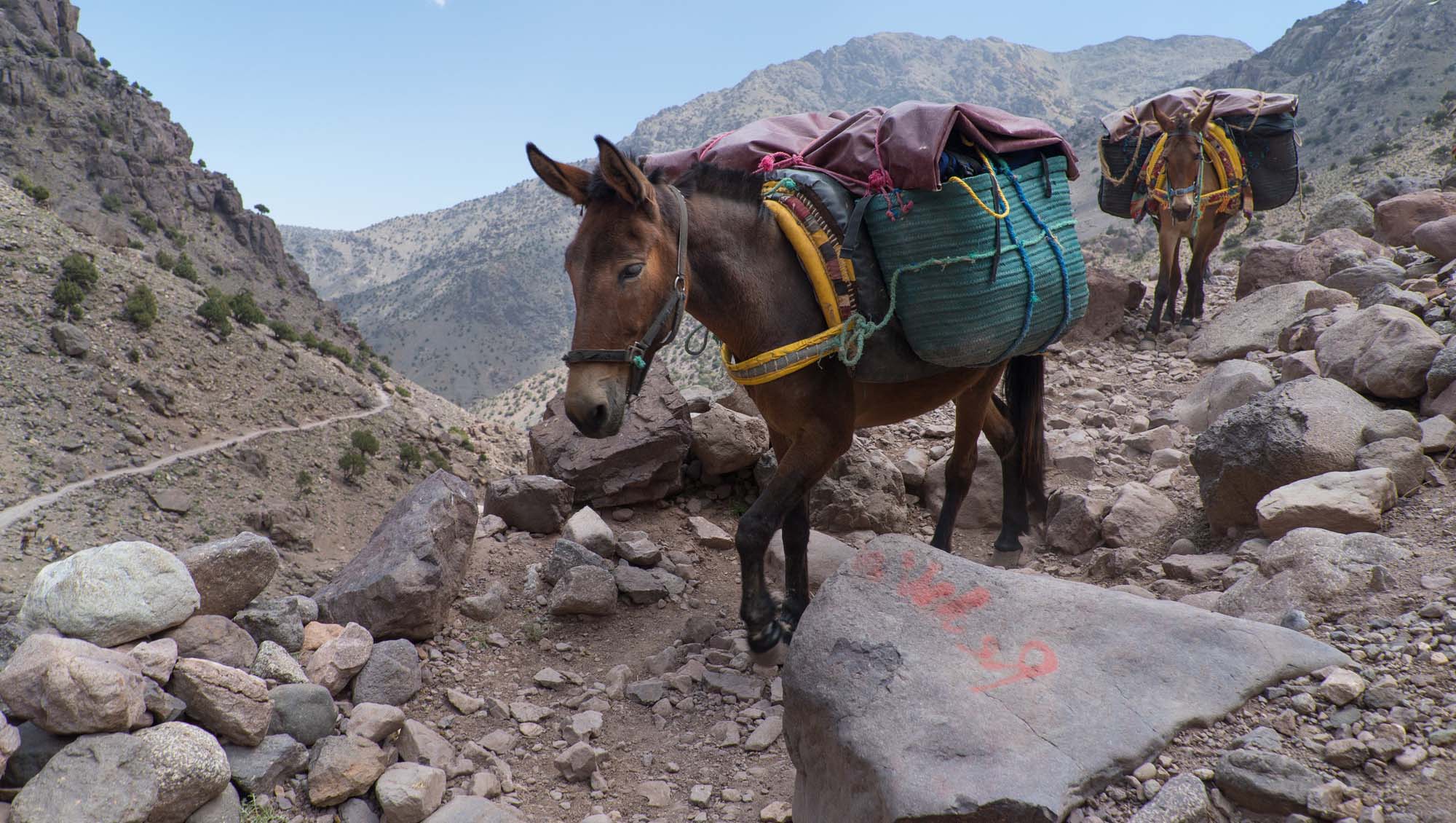
Should a Mule Become a Horse?


"They said no matter how far a mule travels it can never come back a horse" (Junot Diaz)

How far must
a mule travel
to come back 
a horse?

Would this journey 
require
evolution?
adaptation?

Is it better
to be a horse
than a mule?
I'm not so sure

since my 
stubborn
disposition
helps me

keep a routine
even when
what seems
apocalyptic

closes the road.


Friday, May 15, 2020

You've Totally Got This!


Since March 30, I've been keeping a daily journal responding to quotes from writers, philosophers, and everyday people. Sometimes they make no sense, other times they actually make me smile. 

In the first installment I write, "After three years the spice bush erupts in yellow bows on twigs of hair, tiny braids dangling under that favorite tree branch where I feel like Pippi laughing as I swing."

A couple of days later I just worked on listening. "No matter how empty a room it still hums, ticks, and rattles. Once I hitched a ride with older Campfire Girls for a West Virginia caving trip. At fourteen, hanging out with seventeen-year-olds and college freshman in a dorm and cafeteria filled me with excitement.. But we crawled and slithered into a dark cave, turned off our head lamps for real darkness, so only our ears opened up the room."