Monday, May 23, 2022

Thunder Bay and the Myth of Interdependence, Continued


Set in 1946 Louisiana, Thunder Bay connects oil drilling and shrimping from its opening shot of Johnny Gambi and Steve Martin (James Stewart) walking down a long deserted road: They carry a heavy chest and discuss a money making idea that will require a $2 million investment, but then a Port Filliay Fish Company truck picks them up and takes them into town for a 2:00 appointment, aligning their oil drilling plan with the community’s fishing industry. The connection between fishing and oil drilling broached by the film is emphasized here, especially since, once they reach town, Gambi rents a shrimp boat for $50 a day, so the two can, they hope, form a partnership with a big oil man, Kermit MacDonald (Jay C. Flippen). 
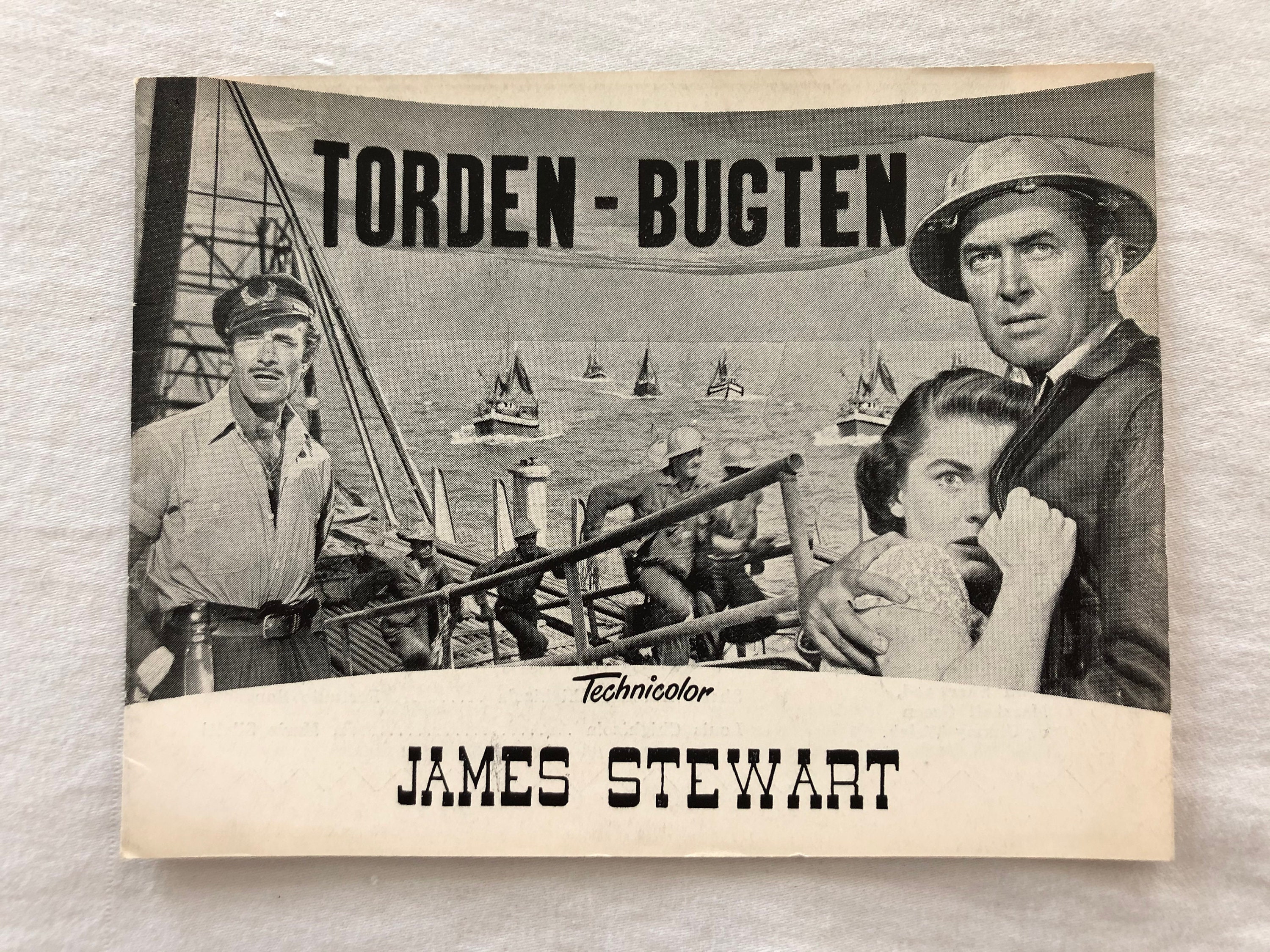


At first, however, the relationship between oil drilling and fishing is seen as conflicting rather than interdependent. To offset any hostility their enterprise might ignite, Gambi and Martin encourage area fishermen to think they are opening a fish cannery. But when their potential investors arrive by seaplane and, despite company troubles, agree to fund Steve Martin’s project, an offshore drilling platform and rig, the film’s major conflict is broached. Even though business investor MacDonald gives Stewart money in advance to pay off debts and promises to deposit $500,000.00 the next day, the area shrimpers are skeptical of this possible disruption to their means of survival and way of life. 
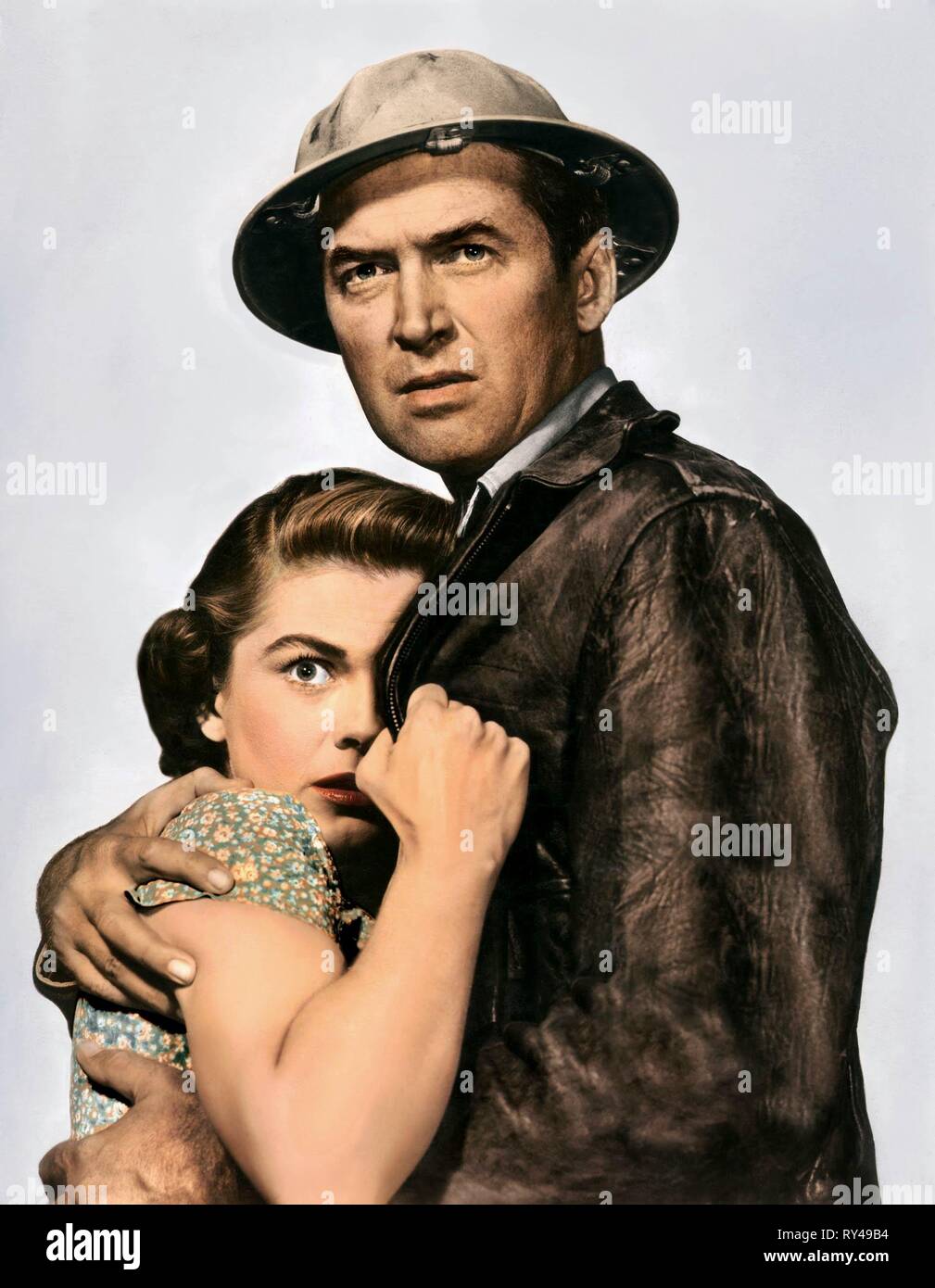


The shrimp boat owner Dominique’s (Antonio Moreno) daughters serve as love interests for Gambi and Martin and another source of conflict between local fishermen and the oil drillers: the elder sister Stella (Joanne Dru) eventually partners with Martin, and the younger sister Francesca (Marcia Henderson) pairs up with Gambi. Primarily, however, the townspeople oppose Martin and Gambi, believing that oil and shrimp can’t mix. The primary conflict of Thunder Bay, then, is between those who make a living from the sea—shrimpers and other fishermen—and those who would like to make a living from what lies beneath its waters—oilmen. Although history suggests this conflict is irresolvable, however, the film negotiates a resolution between these two world views and sources of income that is based in organismic approaches to ecology.

Monday, May 16, 2022

Thunder Bay and the Myth of Interdependence, continued


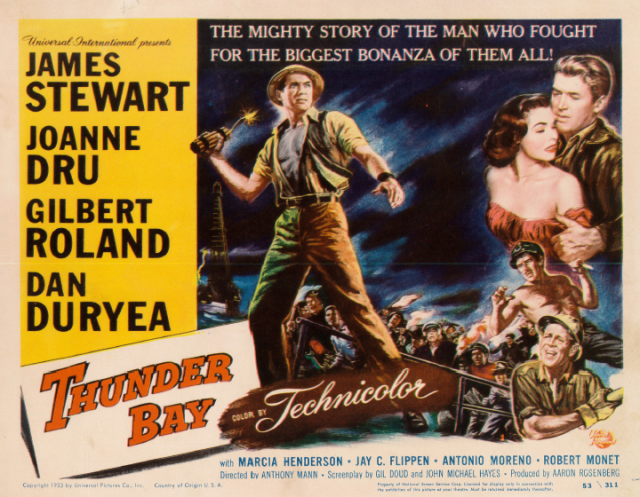
According to James Stewart biographer Jeanine Basinger, “Although it is somewhat unsettling today to watch a movie that sets a conflict between oil-drilling and nature—and oil-drilling is the hero—the machinery and the rig are photographed as things of beauty and majesty” (132) in Thunder Bay. From Basinger’s perspective, “Hard industrial grays and reds replace the greens and blues of nature and become the ‘colors’ of the modern era” (132). A. W. of The New York Times agrees, asserting that visually, “the complex off-shore drilling apparatus is the most distinctive aspect of Thunder Bay.” Shot in Technicolor and shown on an innovative “wide, curved screen [with] stereophonic [stereo] (or directional) sound” (A.W.) in the Loew’s State Theatre, Thunder Bay’s vast setting took center stage, overshadowing its weak narrative. 


Basinger calls the film and its ending “a modern environmentalist’s worst nightmare” based on her reading of the film as a conflict between oil-drilling and nature in which oil-drilling wins, perhaps missing the film’s implausible environmental message: shrimpers and oil men can live together interdependently because the elusive golden shrimp are not only undamaged by oil drilling but attracted to the rig. Other reviewers address this move toward interdependence. Reviewer Dennis Schwartz claims the film’s resolution “has shrimpers and oil men willing to live with each other in harmony, saying there’s room for both.” Reviewer Dan Jardine asserts that Anthony Mann establishes a conflict of world-views between what he calls Hispanic shrimp fishermen and speculative oil men but “backs away from the dialectic he has established from the get-go and gives us a soppy and completely implausible restorative ending.” 


Although we agree that the film’s ending is implausible, we argue that the seeds of a resolution to the conflict between shrimpers and oilmen are planted early in the film when the romantic plot between Johnny Gambi (Dan Duryea) and Francesca Rigaud (Marcia Henderson) is broached. Thunder Bay moves beyond Louisiana Story, then, not only claiming that oil drilling can leave the natural world untouched, but also asserting that oil drilling and shrimping can coexist interdependently.

Monday, May 9, 2022

Thunder Bay (1953) and the Myth of Interdependence


Whereas Louisiana Story makes the case that an oil company can build its rig, drill for oil, build a pipeline and disappear, leaving the bayou untouched and the Cajuns around the well a little richer, Thunder Bay asserts that oil drillers and shrimpers can work together. In fact, in Thunder Bay, oil drilling provides more than jobs and money, according to the film. It provides access to “the golden shrimp” fishermen have been seeking for generations, stimulating a more productive shrimp season. 


Thunder Bay’s populist presentation of progress and organismic or wise use approaches to ecology seem like more viable choices for both local shrimpers and their environment. But those visions also break down in the face of the negative externalities ever present during offshore oil drilling. Although the film suggests shrimpers and oil drillers can build and maintain interdependent relationships that serve them both economically while preserving the sea and its marine life, suggesting the possibility of sustainable development in the gulf, those claims are all based in fiction (myth) rather than fact (reality). 


Thunder Bay approaches off-shore oil drilling from a strictly fictional point of view, without claiming a more fact-based documentary approach to the subject, but it also illustrates a skewed point of view of oil drilling perhaps reinforced by one of the film’s star’s (James Stewart) connections to the oil industry. In her updated biography of Anthony Mann, for example, Jeanine Basinger recounts James Stewart’s connection to the film and its subject, explaining that Thunder Bay was one of three projects Stewart found and asked Mann to direct, in this case because Stewart had joined a partnership with a Texas oilman (132). Despite its weak script, Anthony Mann’s “mastery of physical space” (Basinger 132) stands out in Thunder Bay.

Monday, April 25, 2022

Louisiana Story and Oil Drilling Mythology, continued


Yet just as the alligator is ultimately killed in Louisiana Story, when the boy’s father intervenes, the oil drilling succeeds when, according to the film’s narrative, the boy helps, seemingly connecting the natural and supernatural with the culture of modernism represented by the oil rig and its men. The boy, still enraptured by the derrick, climbs it as if it were a Christmas tree, and tries dropping salt in the well for good luck, spitting on the salt for good measure. The oilmen laugh when he tells the oilmen, but while the boy is at home peeling potatoes later, he tells his family, “I know she won’t go away.” Then they hear the drill. According to an onscreen newspaper headline, “angling the hold to bypass the pressure area,” saved the well and brings the oil drillers success. 


Any connection between culture and nature ends once the oilmen test the oil and find it good. The lease money from the father’s contract buys groceries and a new pot for mom, and a new rifle for the boy, but the family members continue to speak Cajun without translation. Despite the relative prosperity the lease money brings to the family, the last two scenes from the film perpetuate the separation between nature and culture and suggest that human intervention—even oil drilling—can leave the natural world pure and untouched. 


In the first of these scenes, the boy sees his raccoon in the tree, complete with the rope collar around its neck, so boy and ‘coon are reunited and, consequently, the boy is reconnected with the natural world. In the second and last of these two scenes, the derrick leaves slowly, and oil is pumped through a pipeline under the bayou and hidden from the natural world. The boy and his pet watch the process and wave goodbye to the rig, its oilmen and the culture they represent. Only a lone Christmas tree-like pole remains, and it is now more tree than derrick, a tangible claim in the film that human exploitation of nature’s resources can leave its pure innocence untouched.

Monday, April 18, 2022

Louisiana Story and Oil Myths


After this long segment demonstrating the process of oil drilling, however, a scene in Louisiana Story shifts back to the boy and his raccoon in the bayou and, in a long sequence, highlights a battle between elements of nature. The boy leaves his raccoon and examines eggs left by an alligator. When the gator comes back on shore, the boy and we see the ‘gator eggs hatch. The boy holds a baby gator until the mother gator roars, and the boy runs away. The raccoon is now loose and swims up on a log, but the gator is close behind. The boy searches for his pet and passes representatives of wild nature: a spider in a web, a rabbit, a skunk, singing birds, and a deer. 


When he sees the broken line on the boat and realizes the coon has escaped, he fears the gator has killed the coon. In a parallel to the boy’s fears, the gator devours a water bird, so the boy sets a gator trap to avenge his friend’s death. His attempts fail alone, however, but his father has been searching for him and helps him out of the water, telling him, “We’ll get him.” Together they kill the alligator, it seems. Although we do not see the actual slaughter, we assume it occurs because father and son visit the oilrig and bring the gator’s skin to show the drillers on board, holding it up for them to admire from their rowboat. 


This resolution of the battle between human and nonhuman nature is paralleled on the rig with a battle between humans and elements of culture when one of the oilmen, Tom, tests oil levels. Father kids him about never finding oil, while the boy fishes from the platform, and his father sets traps for game. We hear a rushing sound and see water spurting over machinery—a blowout that illustrates a battle between human and nonhuman culture in the context of Louisiana Story. The boy runs and father watches water spurt up the rig. It is gas and salt water, according to a newspaper headline, so the well must be capped using a blowout preventer. This initial drilling has failed, just as the boy’s attempts the kill the alligator were thwarted.

Monday, April 11, 2022

Louisiana Story and the question of Oil and Water


 Although based in fantasy rather than reality, evidence in Louisiana Story suggests that nature and culture can and must remain separated. The oilmen, representing culture, leave the rustic cabin in their speedboat. Later the boy and his raccoon, representing nature, watch the oilmen from their rowboat as the drillers prepare to build their rig and platform. The boy fishes while Cajuns hunt along a pristine shore, further connecting them to the natural world. We get a view of homes on the shore from a houseboat, and a shore view of the motorboat and its wake. The boy and raccoon continue watching, and the wake of the motorboat throws him out of his boat, so he is literally connected with the natural world. 


But the boy seems fascinated with the elements of culture brought by the oilmen and watches a man survey the area and a tall rig rolling up the bayou to the spot the surveyor has indicated. The boy and his raccoon watch this modern scene from the safety of nature—the waters and fecund grasses of the bayou. They remain innocent, smiling as they observe without relinquishing their connection with the natural world. The rig contrasts with the natural scene around it, maintaining its separation from the natural world. 


The technology of the rig and the oil drilling it represents become a beautiful and powerful opposition to the peaceful bayou. Steam surrounds the rig, and we hear the pumping sounds of the drill. Although the boy talks to a couple of oilmen and asks what they are doing, he does not board the rig when invited. Instead, he paddles away, reinforcing his separation, and watching from his boat as the long drill comes out of the well, so worn down, the drillers must replace it. A sunset over the bayou further separates the mechanization of oil drilling from the natural scene, which the boy and his boat both envelop and represent. 


The separation between culture and nature continues even after the boy boards the rig for a closer look. The film shows the whole process of preparing the drill before the boy goes on board to see for himself. The rig is loud as chains swing around pipes to tighten and loosen connections. We cannot hear the boy and oilman’s conversation but see them smile, suggesting a connection between them and, consequently, a connection between culture and nature beyond the economic vision of ecology supported by the film’s narrative.

Monday, April 4, 2022

Myth of Separation between Oil and Nature


Despite clear evidence that oil drilling cannot leave the water and land around it untouched, the film and its reviewers assert the opposite, demonstrating through the experience of oil drillers and a Cajun boy that human and nonhuman nature can maintain separate existences and thrive. Instead of emphasizing the interdependent relationship between humans and the natural world, Louisiana Story suggests that to maintain the innocence of nature in the bayou, and of its more natural Cajun inhabitants, a humanity more aligned with culture and technology must leave wild nature behind, entering it only briefly and with caution to avoid an indelible affect. Two myths are perpetuated by the film, then: the myth that oil drilling can leave a natural setting untouched, and the myth that humans are somehow separate from nature rather than interconnected with it. 


Louisiana Story perpetuates these two myths through both its aesthetic and its narrative. Close-ups of a pristine bayou open Louisiana Story. Flowers, an alligator, and a heron on an evergreen tree emphasize the film’s naturalistic setting. A lone boy poles through weeping cypress trees in a small boat. We see the bayou from his point of view, including water below him. A narrator describes the scene, even mentioning werewolves to set the mythic tone of this innocent scene. The boy wears salt on his waist and something inside his shirt to protect him from all that bubbles, we are told and smiles at a raccoon in a tree, connecting him to both natural and supernatural elements. A snake, gators, and grasses blowing in the wind continue the scene. 


When the boy shoots at an animal, and the pristine scene is disrupted, the conflicting element in the film is introduced: modernism in the shape of oil drilling in the bayou. Other explosions take the gunshot’s place, then, as wheeled machinery drive up into the bayou. The machine looks like a tractor, a cultivator cutting a path through the grass. The boy floats away, demonstrating the separation between culture and nature the film perpetuates. 


The boy and his Cajun family represent an innocence that is untouched by civilization. When the boy heads home to his Cajun family, a family structure more in touch with the natural world is introduced. Their cabin sits beside the bayou and can only be accessed by boat. Inside the cabin, the boy’s father talks about “gators” in a Cajun accent to a lean cut younger man, reinforcing his connection to nature. The boy’s mother does offer coffee, a connection with culture, but the boy’s entrance by boat at his parent’s dock again highlights how isolated this family is from society. 

The blasting that continues, however, contrasts and conflicts with this innocent, more “natural” scene, highlighting the intervention on display. Modern culture has entered the pristine wilderness of the bayou and infiltrated the innocent Cajun family that is still tied to the natural world. To seal this connection, the oil drillers offer lease agreements to the boy’s father: “Can that thing really tell where oil is?” the older man asks, but he signs his name to a contract.